3 Overlooked Steps To Turn Your Knowledge Into Your First Product
Almost every message I get from people my own age starts with some version of the same question: “how can I start to earn an extra income?” I have lost count of how many times I have read that exact worry. It comes from people who are comfortable enough on paper but restless underneath it, wondering if there is another way.
What I have noticed, watching so many of them try to answer that question for themselves, is that most never get as far as one finished thing anyone can actually buy. They plan a whole website, a whole list of products, a whole online presence. None of it ever gets built, let alone your first product.
There is a simpler way in. Pick one small, specific thing you already know how to help with, give it a clear shape, and offer just that. Nothing grand. Nothing with a big learning curve.
That is what this article is about: turning one piece of what you already know into something real enough that someone else can say yes to it today.
Why Building Everything At Once Gets Nobody Anywhere
I understand the pull towards building the whole thing first. It feels like the responsible way in, and it feels like progress while you are doing it.
But a business plan nobody has paid for yet is not a business. It is a very long to-do list, and to-do lists are where good intentions quietly go to die.
The way round it is smaller than it sounds. Instead of asking yourself what your whole online business should look like, ask what one specific result you could deliver this month, to one specific person, for a fixed price.
That single question does more work than any business plan I have ever seen someone write.
Think about what that looks like in practice. Instead of planning a twelve-module course on money management, you might offer one thirty-minute call that helps someone build a simple monthly budget they will actually stick to. That is small enough to finish this week, and clear enough that a stranger could say yes to it without a single follow-up question.
Step One: Find The Thing People Already Want From You
Fifty-one years of hairdressing taught me something I still use every single day online. If a client wanted a colour or a style, I would sit and talk it through with them properly first, so I got it right, rather than guessing and hoping.
That habit carried straight over. Before you build anything, ask people what they actually want, in their own words, rather than assuming you already know.
Listen to what people actually want, not what you assume they want.
You could ask a handful of people the same simple question this week: what is the one thing they wish they understood better right now? Their answers, not your guesses, are where it lives.
Notice the language they use when they answer. It is usually rougher and plainer than anything you would have written yourself, and that roughness is exactly what makes it land when you write about it later. If someone says they want to “stop feeling behind on money,” use those exact words in what you offer, rather than translating it into something smoother and less true to how they actually feel.
Step Two: Give It A Clear, Fixed Shape
Once you know what someone genuinely wants, resist the urge to make it bigger than it needs to be. A clear, small thing that actually gets finished beats a huge one that never does.
Decide exactly what someone gets, how they get it, and roughly how long it takes. No vague promises about “helping people succeed online.” Something specific enough that a stranger could describe it back to you after reading one sentence.
I have written more about the small first steps that get people started, in other articles I have shared recently, and this is where most of them begin: one clear thing, not a whole system.
Each day another step is enough. You do not need the finished business today. You need the first honest product.
Step Three: Let People Say Yes Without A Big Commitment
The reason a small, clear first product works so well is that it asks very little of a stranger. A small price and a specific promise are far easier to say yes to than a big, vague offer.
My own leap of faith looked small from the outside too. In February 2025 I started a direct mail campaign promoting a free trial package. In April that year my first payment came through: $12.50, then a bit later, $27.50. It does not sound like much written down. This was my own result, not a guarantee of what anyone else would earn.
But that was the moment I believed this could actually work. If you do not try, you will get what you have always got, and a small first yes from a stranger is proof enough to keep going. It does not need to be a big yes. It only needs to be real.
I still use eShowcase for the pages, the emails and the whole set up behind offers like this. If you want to see what a simple, no-nonsense setup for something like this looks like, eShowcase is where I keep all of mine.
No One’s Perfect, And Neither Is Your First Attempt
My real fear in all of this was never the technical side. It was writing. I can chat to anyone all day without a problem, but putting things down in writing frightened me for a long time.
I bought products myself that sat on a shelf gathering dust while I put off starting. Procrastination was the real enemy, not lack of ability.
No one’s perfect. You will get your first product slightly wrong, and that is fine. Fix it once someone has actually used it, rather than waiting until it feels perfect before anyone sees it at all.
Where This Leads Next
Turning one small piece of what you know into a clear first product is the beginning, not the whole business. Once you have proved that someone will say yes to one small thing, the next honest question is how you build on it properly rather than starting from scratch each time.
That is exactly the gap Product Licensing Formula was built to close, and it is why I mention it here rather than earlier. It walks through taking something that already works and building a proper structure around it. That way you are not reinventing your offer every time you want to grow. If your first small product goes well and you find yourself wondering what comes after it, it is worth a look: Product Licensing Formula.
Ask what you do not understand, keep believing in yourself, and remember that the snowball only starts rolling once you let go of it. Your first product does not need to be big. It just needs to exist.
Best regards
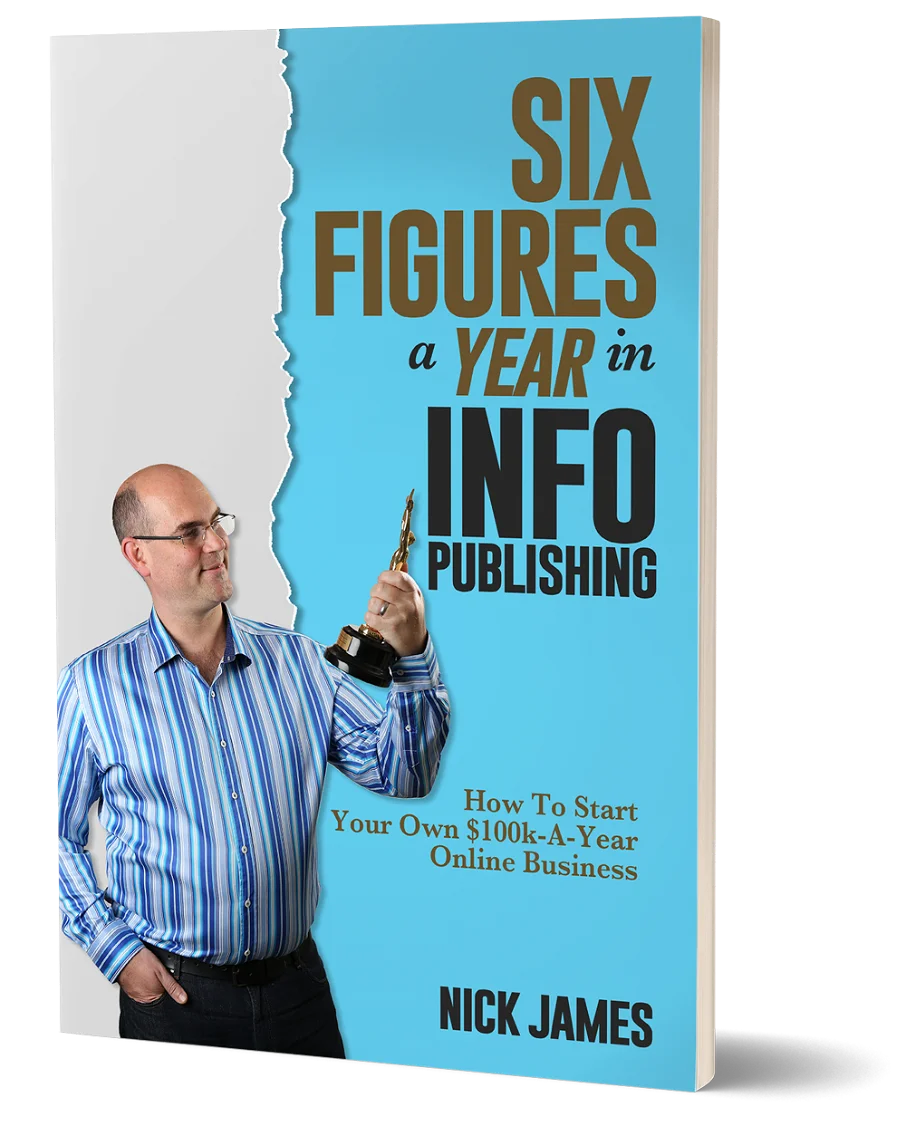
Author offers a FREE copy of this book to his next door neighbor... to prove he's not a drug dealer!
Now claim your FREE COPY.
and follow the step-by-step instructions for making the kind of money (and living the kind of lifestyle) that'll get your neighbors curtains twitching with curiosity!
Enter your details below to discover how to claim your FREE COPY of 'Six Figures A Year In Info Publishing' ...
Privacy Policy : We value your privacy. You can unsubscribe from receiving future emails with 1 click at any time.